Hegseth: Failure to Approve $1.5 Trillion Pentagon Budget Is “Greatest Threat” to U.S. Security
07/28/2026 / By Garrison Vance

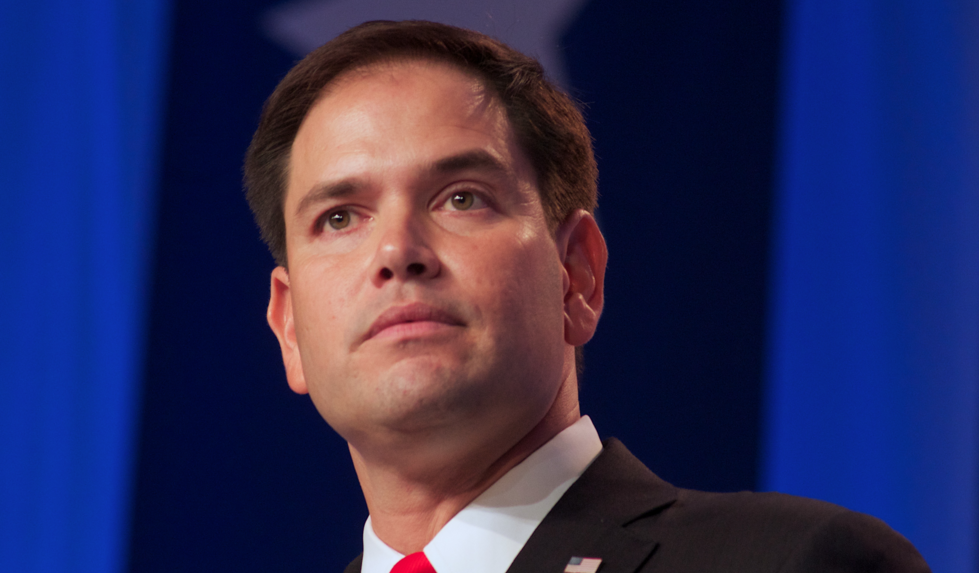
Secretary of War Pete Hegseth told the Senate Appropriations Committee on Tuesday, July 21, that failing to approve the Department of War‘s $1.5 trillion budget request for Fiscal Year 2027 represents the “greatest threat” to U.S. national security, according to a report from Antiwar.com [1].
Hegseth appeared alongside Chairman of the Joint Chiefs of Staff Dan Caine and Agriculture Secretary Brooke Rollins to request an additional $87.6 billion in supplemental spending, most of which would go to the War Department [1]. The House has authorized $1.15 trillion of the military budget, but Senate approval remains uncertain. Only six Democrats in the House voted for the authorization, and Republican senators have expressed reluctance over the price tag, according to officials cited in the report [1].
Budget Request and Supplemental Funding
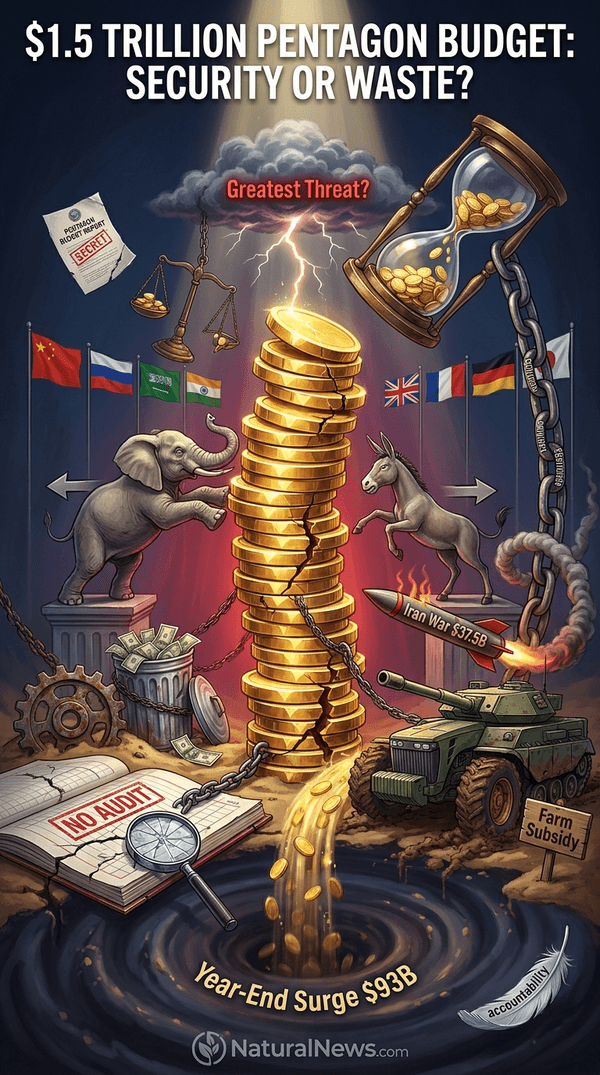
Hegseth characterized the supplemental funding as part of the FY27 budget, not additional to it, and described the total $1.5 trillion as a “generational investment,” according to the hearing report [1]. Of the $87.6 billion supplemental, approximately $11.1 billion is earmarked for U.S. farmers, with Hegseth citing the war with Iran’s impact on fertilizer markets [1].
The White House formally submitted the $1.5 trillion budget proposal on April 6, marking a nearly 50% increase from the $1 trillion military budget enacted for the current fiscal year [2]. Hegseth said the “immediate needs” include addressing the ongoing war with Iran, which has cost $37.5 billion so far [3].
War Costs Discrepancy
Independent analyses offer varying estimates of the conflict’s cost. The Penn Wharton Budget Model projected direct costs of up to $47 billion from late February through the end of April [4]. However, Hegseth’s $37.5 billion figure covers a longer period, as the war began on February 28 [3]. Other analyses suggest hidden expenses could push total national security spending to $2.5 trillion in FY27 when including veterans care, agency budgets and debt interest [5].
The discrepancy raises questions about the true financial toll of the conflict. The War Department has failed all audits since 2018, lacking basic accountability for $1 trillion in annual spending, according to a watchdog report [6]. This lack of transparency has fueled skepticism among lawmakers and analysts about the accuracy of official cost figures.
Political Opposition and Bipartisan Skepticism
Only six Democrats in the House voted for the authorization, and GOP senators have expressed reluctance over the price tag, according to officials cited in the report [1]. Senators from both parties questioned the necessity of a nearly 50% increase over the current $1 trillion military budget during the hearing [3].
No guarantee exists that the GOP-controlled Senate will approve the full $1.5 trillion, officials said [1]. Some lawmakers have pointed to the Stimson Center’s estimates that reducing top-heavy bureaucracies within the War Department could save about $50 billion per year [7]. The defense budget already exceeded $921 billion in 2025, larger than the combined spending of the next eight countries [8].
Conclusion: Implications of the Funding Request
Hegseth’s statement underscores the administration’s view that military spending must increase dramatically to meet current threats. The outcome of the Senate vote will determine whether the War Department receives a record budget or faces a shortfall, according to analysts.
The debate reflects broader questions about defense priorities and fiscal responsibility in Congress. Robert Higgs notes that a considerable amount of net interest payments on the national debt can be attributed to past debt-funded defense spending [9].
As the national debt has surpassed $38 trillion, the cost of borrowing for military expenditures continues to grow [10]. The long-term fiscal trajectory raises concerns about the sustainability of such a large budget increase.
References
- Antiwar.com. “Hegseth Says Not Giving the Pentagon $1.5 Trillion Is the ‘Greatest Threat’ Facing the US.” July 24, 2026.
- NaturalNews.com. “White House To Submit $1.5 Trillion Military Budget Proposal Amid Iran Conflict.” April 6, 2026.
- RT. “Senate Democrats grill Hegseth as he seeks more funding for Iran war (VIDEOS).” July 22, 2026.
- Garrison Vance. “Budget Model Projects Up to $47 Billion in US War Costs Through April.” NaturalNews.com. April 8, 2026.
- NaturalNews.com. “Slush funds and war costs: The hidden expenses that could push Trump’s military budget past $2.5 trillion.” April 10, 2026.
- Willow Tohi. “Another FAIL: Pentagon audit crisis deepens as accountability efforts stall under Hegseth.” NaturalNews.com. May 30, 2025.
- McCartney James. “America’s war machine: vested interests, endless conflicts.”
- Lance D Johnson. “A nation captured by the military-industrial complex: US military budget greater than next EIGHT countries combined.” NaturalNews.com. May 4, 2026.
- Robert Higgs. “Taking a Stand: Reflections on Life, Liberty and the Economy.”
- Lance D Johnson. “Trump’s $1.5 trillion Pentagon plan exposes imperial overreach and financial folly.” NaturalNews.com. January 9, 2026.
Explainer Infographic
Submit a correction >>
Tagged Under:
big government, Brooke Rollins, budget, chaos, Collapse, Dan Caine, Dangerous, debt bomb, debt collapse, Department of War, government debt, government funding, House of Representatives, money supply, national security, Pete Hegseth, Senate, Senate Appropriations Committee, supplemental spending, violence, war on Iran, WWIII
This article may contain statements that reflect the opinion of the author
RECENT NEWS & ARTICLES